HR Portal redesign
How we rebuilt the management platform focused on scalability, self-service, and accessibility.
Overview
The HR Portal is the central platform where companies manage Onze benefits. This project fully redesigned the product from scratch, transforming a limited interface into a robust ecosystem for financial operations, employee changes, and asset dashboards.
My role
Discovery leadership, end-to-end product design, and design system work.
Challenge
Rebuild the platform architecture to support bulk operations and complex data with a fully accessible and scalable component foundation.
Impact
Support reduction
Significant drop in support tickets after new self-service areas were launched.
Operational efficiency
Successful implementation of bulk import flows and direct client-side billing management.
User satisfaction
Consistently positive feedback on usability and clarity of asset information, with measurable NPS improvement.
Design legacy
Creation and documentation of a scalable, 100% accessible component library that supports future evolutions.
Process
- 01
Multilateral research
We conducted interviews and usability tests with two distinct profiles: internal users (back office) and external HR managers. This dual perspective helped balance business needs with the real pain points of people who operate the platform daily.
- 02
Stakeholder triangulation
I acted as a bridge between Product (business rules and compliance) and the Technical team. We validated wireframes and prototypes early to ensure complex financial data remained feasible from an engineering standpoint.
- 03
Feedback-driven iteration
The 8-month project was driven by testing cycles across all stages. Every component and flow went through feedback rounds, ensuring the final delivery was refined and free from critical friction.
Solution
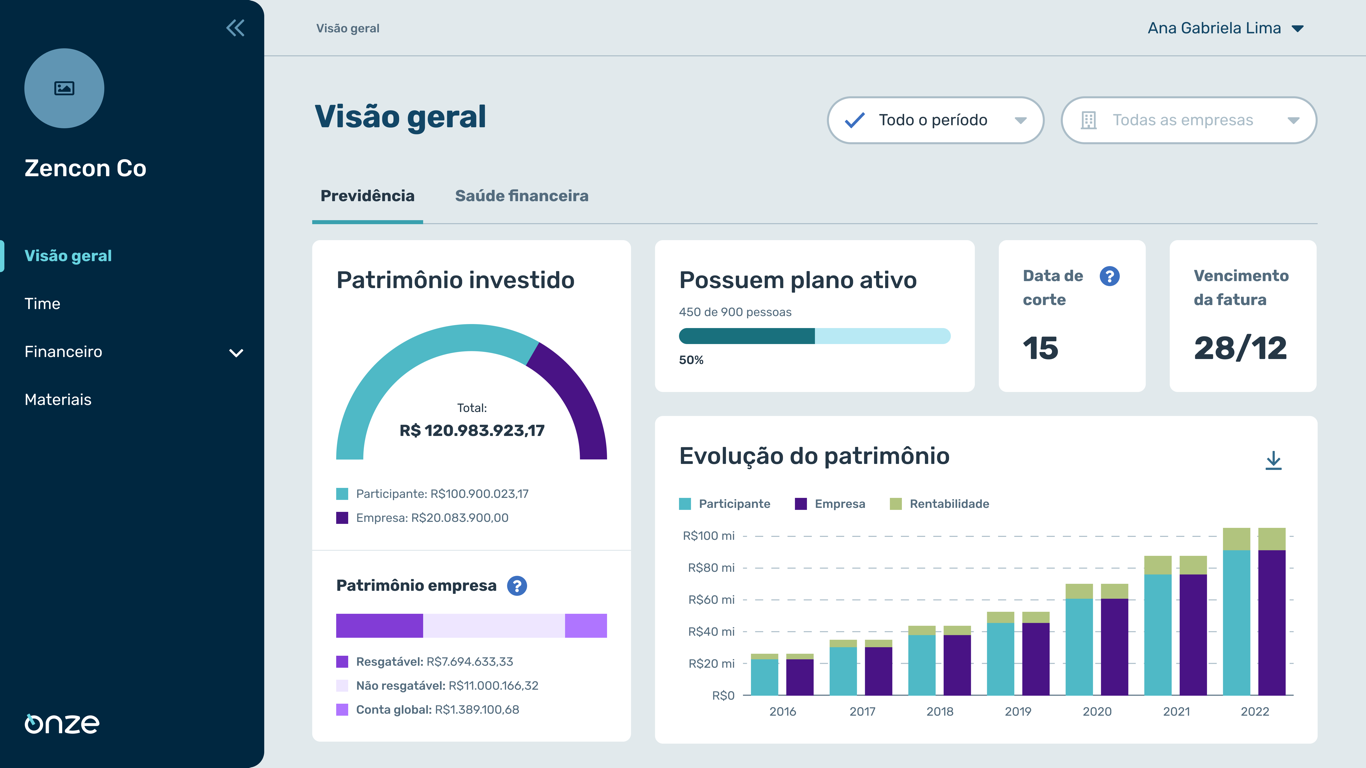
- Intelligence dashboards: Clear visibility into asset growth, adoption rate, and investment data, giving HR a strategic view of the benefit.
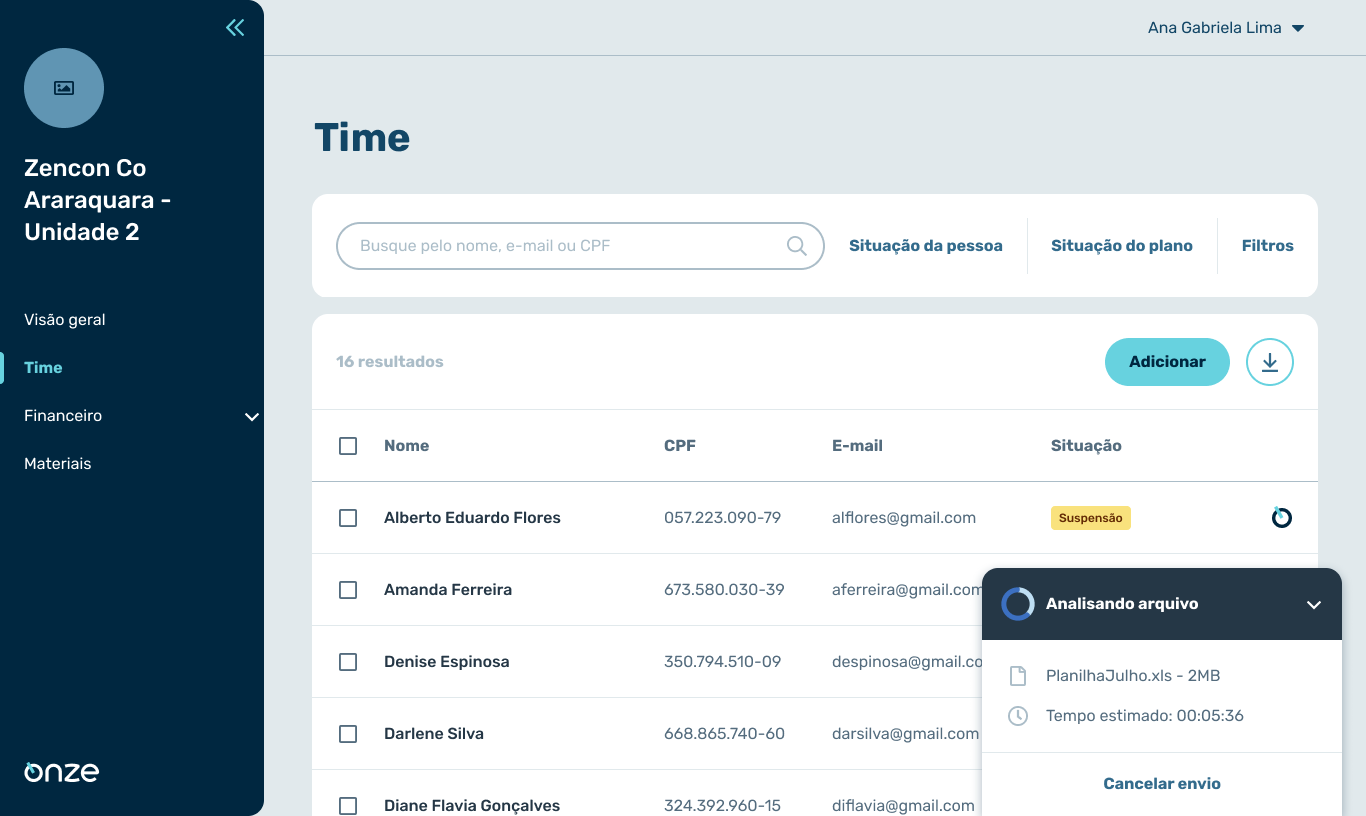
- Bulk operations: Resilient spreadsheet import engine, enabling inclusion, offboarding, and employee-rule changes at scale, with precise row-and-column feedback in case of errors.
- Self-service autonomy: Benefit pause features and manual profile editing, reducing support dependency and empowering HR managers.
- Accessible design system: Built from scratch with technical accessibility documentation for each component, ensuring WCAG compliance and an inclusive experience.
Gallery
Dashboard
Team list
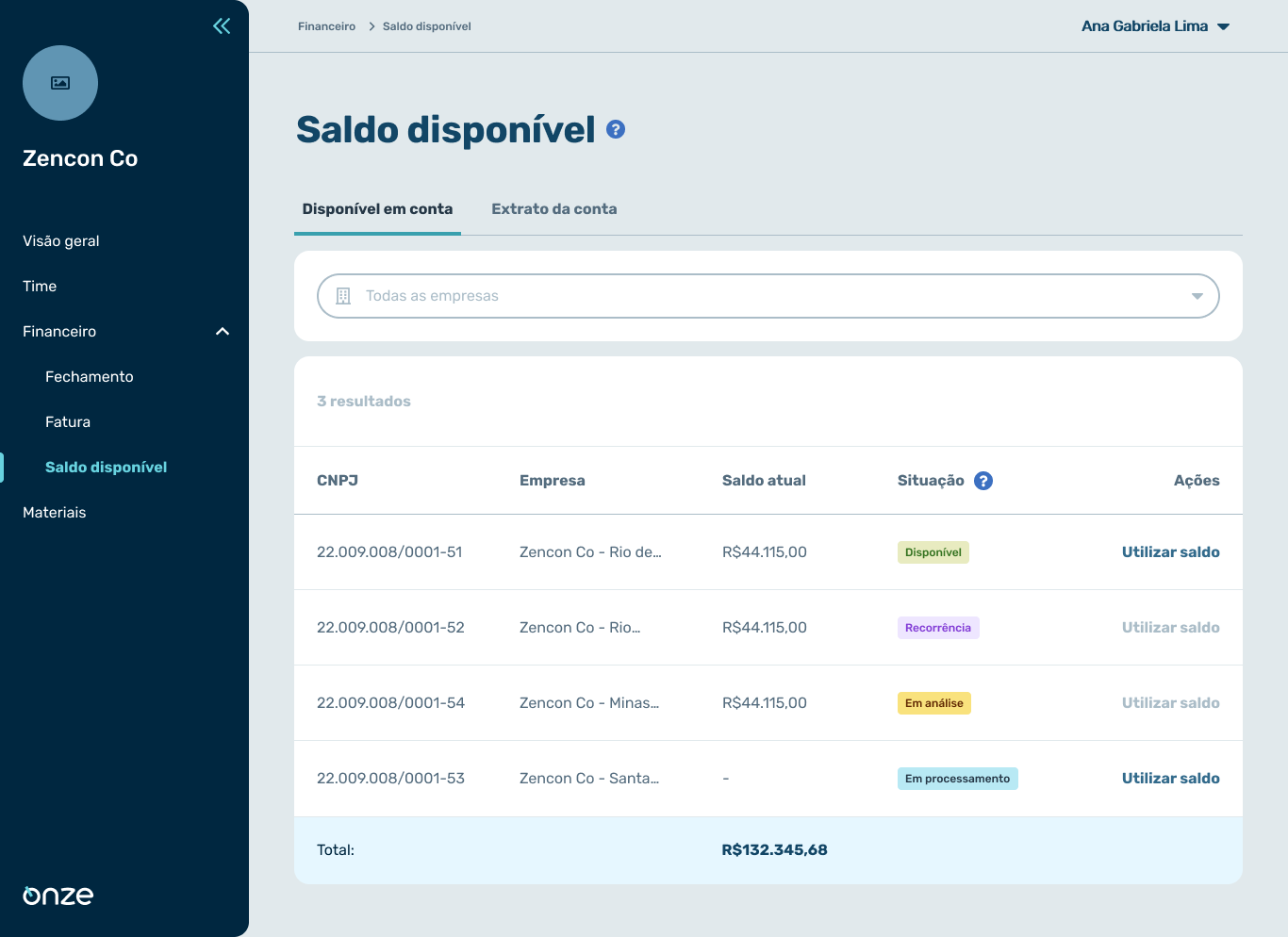
Available balance
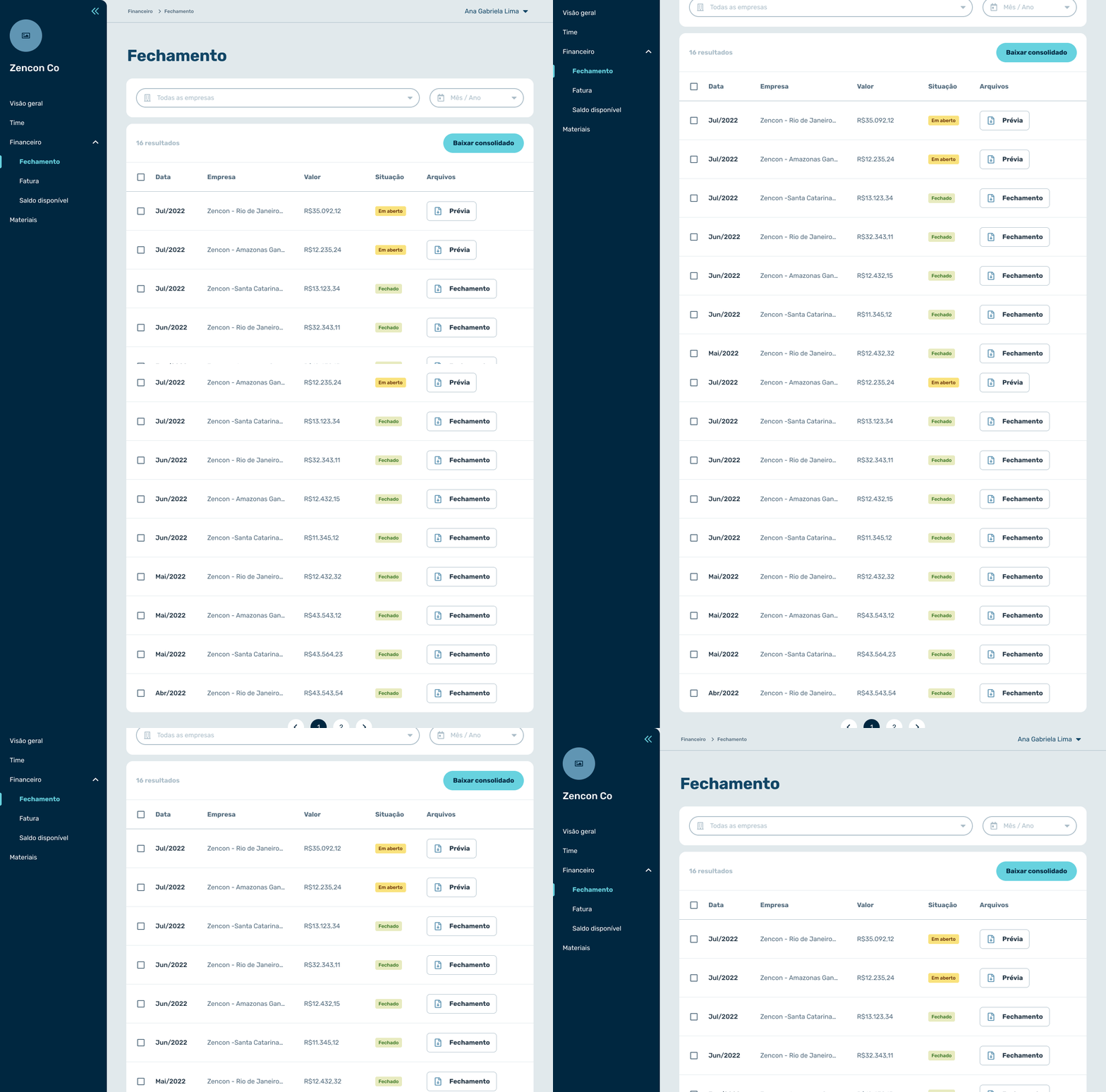
Monthly closing (scroll)
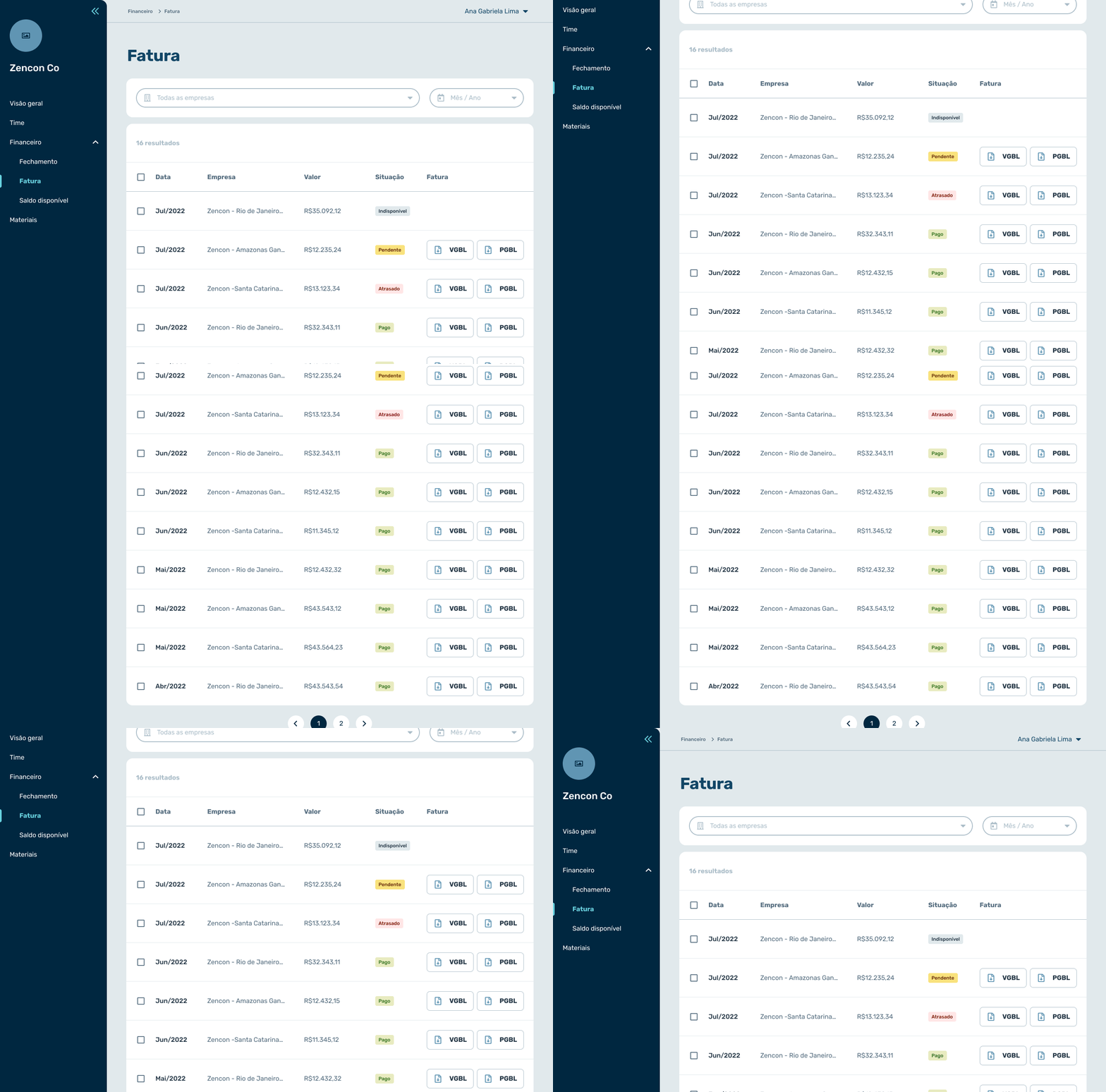
Invoice (scroll)
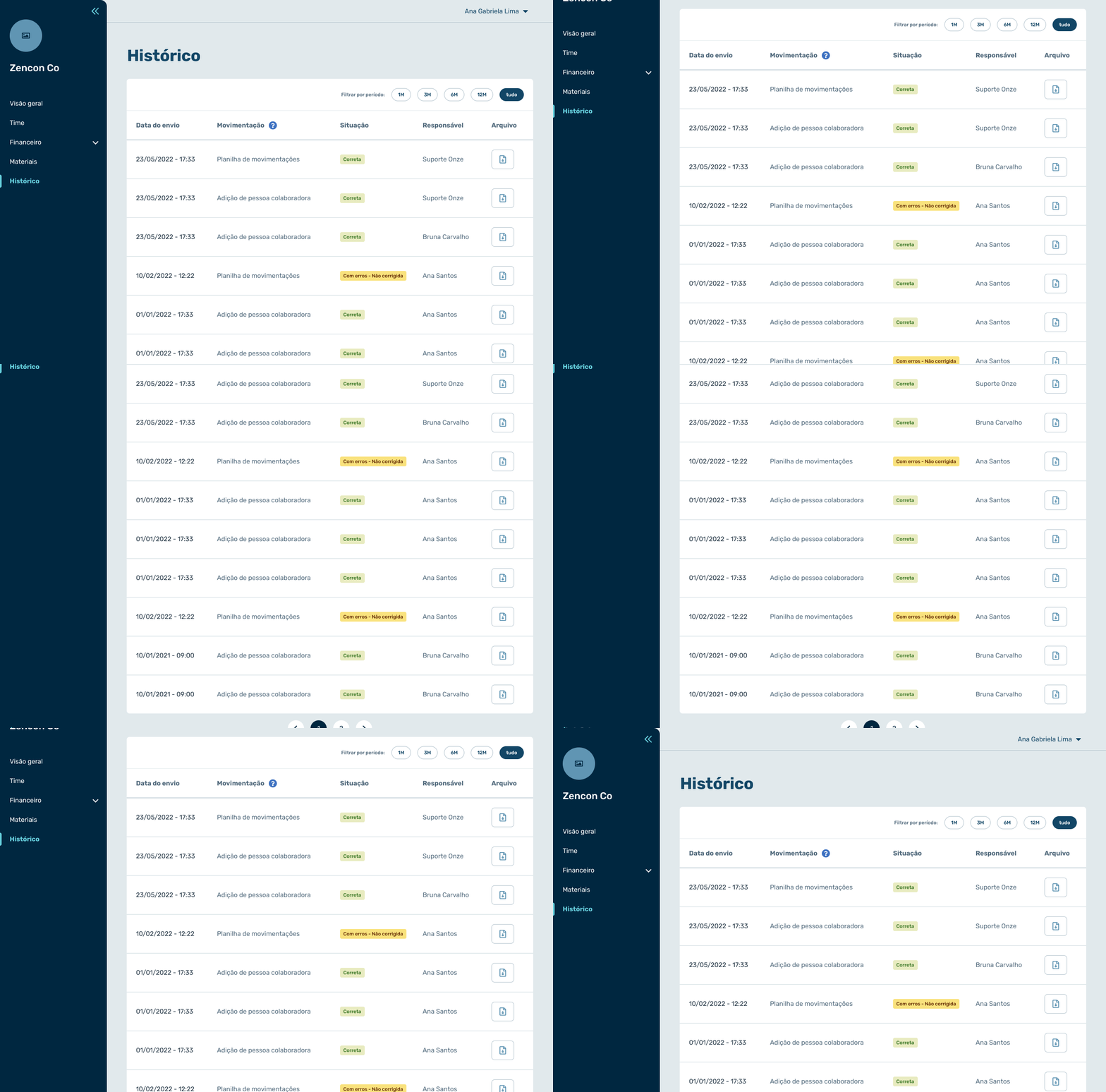
History (scroll)
Key learnings
Long-term project management
Managing an 8-month project requires resilience and structure. I learned the importance of breaking large deliveries into milestones to keep all teams aligned over time.
Design System as an accelerator
The initial investment in component creation and accessibility documentation delayed screen production at first, but significantly accelerated the final phase and future product evolution.
Listen to internal users
Often, the best insights come from internal support teams because they know the workarounds clients use to bypass usability issues that formal research may miss.